
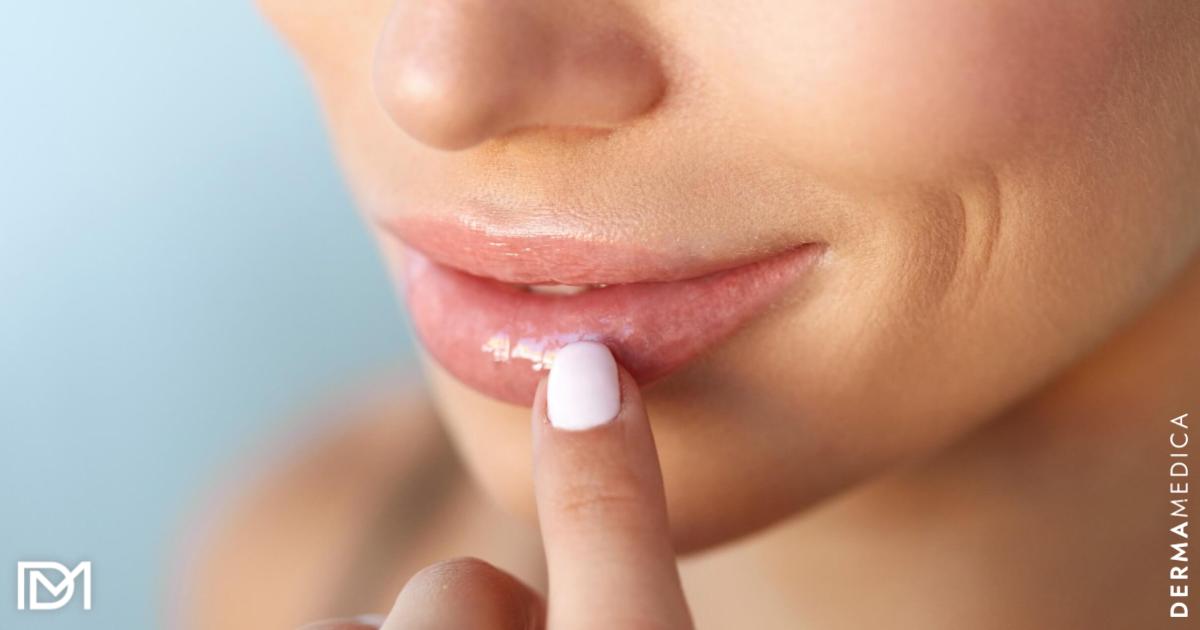
The fear of looking "done" is the single most common concern I hear from patients considering lip enhancement. And it is a completely valid one — because the wrong approach, in the wrong hands, can produce exactly that outcome. The good news? When lip filler is done well, nobody should know it has been done at all. They should simply think your lips look beautiful.
I want to address the most common questions I receive, because I believe informed patients make the best decisions — and the best decisions lead to the best results.
The Most Common Questions
I Am Asked About Lip Filler
Will I end up with sausage lips?
Only if too much product is used, or if it is placed incorrectly. The "overfilled" look comes from chasing volume without respecting the natural anatomy. My approach is almost always to start conservatively — often 0.5ml for a first treatment — and assess the result before considering more. The golden ratio of upper to lower lip, the definition of the vermilion border, the natural peaks of the Cupid's bow — these are the things I am thinking about, not simply "how much filler."
Does it hurt?
The lips are sensitive, and I will not pretend otherwise. However, we use a topical anaesthetic cream applied 20–30 minutes before treatment, and the filler itself contains lidocaine, which numbs as it is injected. Most patients describe the sensation as mild pressure and occasional sharp moments — manageable, and over quickly. The treatment itself takes around 20–30 minutes.
How long does it last?
Typically between 6 and 12 months, depending on your metabolism, the product used, and the area treated. Lips tend to metabolise filler faster than other areas due to the frequency of movement. Most patients return every 9–12 months for a top-up.
What if I don't like the result?
Hyaluronic acid fillers — which is what we use across our dermal filler treatments — can be dissolved with an enzyme called hyaluronidase. This is one of the key safety advantages of HA-based products. If you are unhappy with a result, or if there is any concern about vascular compromise, the filler can be reversed. This is not a theoretical backstop — it is something I genuinely factor into my product selection for every patient.
Is there any downtime?
Some swelling and bruising is normal, particularly in the first 24–48 hours. The lips will look fuller than the final result during this period — which is worth bearing in mind if you have an important event approaching. I advise patients to allow at least two weeks before any occasion they want to look their best for. Avoiding blood thinners (including alcohol and aspirin) in the days before treatment significantly reduces bruising.
What Good Technique Actually Looks Like
There are several distinct approaches to lip filler — linear threading, cross-hatching, bolus injection — and the right choice depends on the individual anatomy. For most patients seeking natural enhancement, a combination of border definition and subtle body volume gives the most elegant result.
I also pay close attention to the philtrum columns when performing lip and dermal filler treatments (the two ridges running from the lip to the nose), the oral commissures (the corners of the mouth), and the overall facial balance. Lips do not exist in isolation — they need to work in harmony with the nose, chin, and overall facial structure. A lip that looks beautiful in isolation can appear incongruous if it is not in proportion with the rest of the face.
"My aim is always that a patient leaves looking like themselves — but rested, balanced, and quietly more confident."
— Dr Mansoor Ahmed
Who Is a Good Candidate?
Almost anyone in good general health who is bothered by lip thinning, asymmetry, a lack of definition, or simply wants to restore volume lost with age. There is no ideal age — I treat patients in their mid-twenties through to their seventies, each with different goals and different anatomy.
Patients who are pregnant or breastfeeding, or those with certain autoimmune conditions, are not suitable. We discuss medical history in detail at consultation, and I will always decline to treat if I have any concern about safety.
If you are curious about lip enhancement — whether you are ready to proceed or simply want to understand your options — I would love to have that conversation. A consultation at DermaMedica is always free and always honest — and you can also explore our full range of injectables and contouring treatments. Come and see us.